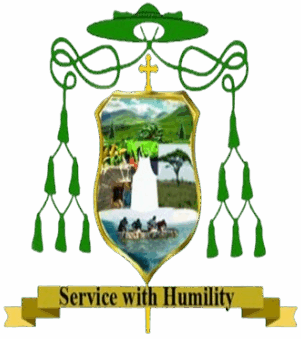
The Consecration and Installation of a Bishop is a solemn and sacred celebration in our Church, marking the beginning of a bishop’s ministry as shepherd of a diocese. It is a moment of great spiritual significance, attended by clergy, religious, and the faithful, who gather in prayer and unity. The celebration takes place during a Holy Mass, usually led by the principal consecrating bishop, along with co-consecrating bishops. Through the laying on of hands and the prayer of consecration, the bishop-elect receives the fullness of the Sacrament of Holy Orders. Sacred symbols, such as the Book of the Gospels, the ring, the miter, and the crosier, are presented, each representing the bishop’s role as teacher, leader, and shepherd of God’s people.
Following the consecration, the newly ordained bishop is formally installed as the bishop of the diocese. He is led to the cathedra (the bishop’s chair), signifying his authority and responsibility to guide, teach, and sanctify the local church. The celebration is marked by reverent liturgy, hymns of praise, and prayers for the bishop’s wisdom, humility, and faithfulness. It is both a joyful and prayerful occasion, expressing the Church’s hope that the new bishop will serve with love, courage, and devotion as a successor of the Apostles.
Nebbi Catholic Diocese began as part of the Gulu Apostolic Vicariate established in 1923. Its growth was supported by early parishes, Comboni missionaries, early Christians, local leaders, and the first catechists, all of whom contributed greatly to the development of the diocese.